If you have ever picked up an acne product, there is a good chance it contained salicylic acid. It is one of the most widely used over-the-counter acne ingredients, found in cleansers, spot gels, toners and serums. It works well for many people, but it can also be drying and irritating if you use too much or combine it with the wrong products.
This guide explains what salicylic acid does, how to choose a strength and format, how to use it step by step, and which products at Reginah contain it.
What salicylic acid does
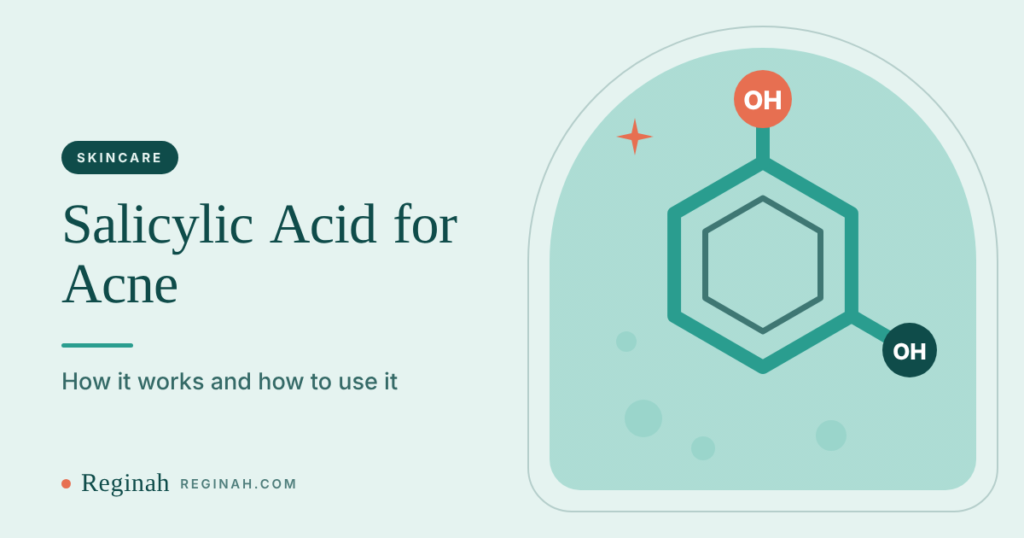
Salicylic acid is a beta hydroxy acid, or BHA. Unlike water-loving acids such as glycolic acid, it is oil-soluble, so it can get into pores and help dissolve the mix of oil and dead skin cells that clogs them. That makes it popular for blackheads, whiteheads and mild to moderate breakouts. It also gently exfoliates the skin surface.
The American Academy of Dermatology lists salicylic acid among over-the-counter acne treatments, alongside benzoyl peroxide and adapalene, and says salicylic acid unclogs pores and exfoliates the skin. It also notes that it takes at least 6 to 8 weeks before you start to see fewer breakouts, so patience is part of the plan.
Choosing a format
Salicylic acid comes in different forms, and the right one depends on how often you want to use it and how sensitive your skin is.
Cleansers
A salicylic acid cleanser is the gentlest way to start because it is on your skin only briefly. It suits daily use for many people.

Neutrogena Clear and Radiant Facial Wash Vitamin C + 0.5% Salicylic Acid 200ml Buy now
A facial wash with vitamin C and 0.5% salicylic acid, listed as clearing breakouts and brightening dull skin for a more even complexion.
Neutrogena Oil Free Acne Wash 269ml Buy now
An oil-free acne wash with 2% salicylic acid, according to its listing, made to treat and prevent breakouts. A stronger option, so start by using it once a day.
See more in our cleansers collection.
Spot treatments
Gels and dots go straight onto a pimple and are useful for occasional breakouts. They are usually higher in concentration, so apply a thin layer to the spot only.
Neutrogena Clear & Defend 0.5% Salicylic Acid SOS Gel 15ml Buy now
A 15ml spot treatment with 0.5% salicylic acid, listed as visibly reducing pimple size and redness in as little as four hours.
Mists, toners and serums
Leave-on formulas give longer contact time. They can be more effective, but they are also more likely to irritate, so introduce them slowly.
APLB Salicylic Acid BHA Mist Essence 105ml Buy now
A BHA mist essence with salicylic acid, listed as exfoliating pores and helping prevent acne on the face and body.
Cerave Blemish Control Gel with AHA % BHA Serum 40ml Buy now
A 40ml blemish gel with AHA and BHA and ceramides, according to its listing, made to clear blemishes, minimize pores and restore the skin barrier.
You can find more in our serums and skin treatments categories.
How to use salicylic acid step by step
- Cleanse with a gentle cleanser (or use a salicylic acid cleanser). Use lukewarm water and your fingertips.
- Apply a thin layer of treatment to the whole area prone to breakouts, or only to individual spots if it is a spot gel.
- Moisturize. Even oily, acne-prone skin needs moisture, and salicylic acid can be drying. Choose an oil-free or lightweight formula. Our oily skin routine has options.
- Use sunscreen in the morning. Exfoliating acids can make skin more sensitive. Our guide to the best sunscreen for dark skin will help you choose.
Start once a day or every other day for a week or two, then increase if your skin is comfortable. Using several salicylic acid products at once, such as a cleanser, toner and spot gel, can easily be too much.
What to combine it with, and what to avoid
Pairs well with: a gentle moisturizer, sunscreen and, for many people, niacinamide. Our niacinamide guide explains how to layer it.
Be careful with: retinoids, benzoyl peroxide, other exfoliating acids and physical scrubs. The AAD’s guide to safe exfoliation at home notes that retinoids, retinol and benzoyl peroxide can increase sensitivity or peeling, so exfoliating at the same time may worsen dryness or cause breakouts. Alternate nights or use them at different times of day, and add one product at a time. Read our retinol for beginners guide before combining it with acids.
Darker skin tones and dark marks
Acne marks linger longer on deeper skin tones, and over-exfoliation can lead to irritation and more discoloration. The AAD’s advice on acne in darker skin tones emphasizes treating acne early and gently. Avoid picking, use sunscreen daily, and see our guide on how to fade dark spots for what helps after breakouts settle.
Common side effects
Dryness, peeling, tightness and mild stinging are the most common effects, especially in the first few weeks. If your skin is red, burning or flaking:
- Cut back to every second or third day.
- Add a richer moisturizer.
- Stop other exfoliating products.
- Stop completely and see a doctor if the reaction is severe.
Salicylic acid is related to aspirin. People with an aspirin allergy should check with a doctor first, and pregnant or breastfeeding women should ask their healthcare provider before using high-strength or leave-on products.
Body and scalp use
Salicylic acid also appears in body washes and scalp products for body breakouts, rough texture and dandruff. See our guides to body acne and dandruff.
Habits that help acne
- Do not pick or squeeze. It worsens inflammation and leaves marks.
- Wash after sweating. This matters in hot, humid weather.
- Remove makeup every night. See our guide to removing makeup properly.
- Choose non-comedogenic products. Look for “oil-free” or “won’t clog pores”.
- Be consistent. Changing products every week makes it hard to know what is working.
When to see a dermatologist
See a dermatologist if you have painful, deep cysts or nodules, scarring, acne that has not improved after 6 to 8 weeks of consistent treatment, or acne that is affecting your confidence. Prescription treatments can work faster and prevent permanent marks.
Frequently asked questions
How long does salicylic acid take to work?
Expect to wait at least 6 to 8 weeks to judge, though some spot treatments reduce a pimple’s size sooner.
Can I use salicylic acid every day?
Many people can, especially in a cleanser. Start slowly and increase only if your skin tolerates it.
Is 2% salicylic acid better than 0.5%?
Not always. Higher strengths can be more effective for some skin but are also more irritating. Pick one that suits your skin and use consistently.
Can I use salicylic acid with vitamin C?
Many people do, at different times of day, such as vitamin C in the morning and salicylic acid at night. Introduce them separately.
Will salicylic acid fade my dark marks?
It may help skin turnover, but dark marks need time, sunscreen and often targeted ingredients. Avoid over-exfoliating.
Final thoughts
Salicylic acid is a reliable tool against clogged pores and breakouts, but gentle, consistent use beats strong, frequent use. Start low, moisturize, wear sunscreen and give it time.
Ready to try? Explore Reginah’s cleansers, serums and skin treatments and pick one product to start with.